Digital Traces and Wager Patterns: Mapping Activity in Anonymous Crypto Platforms
Written by Katja Simon · Jun 23, 2026
Digital Traces and Wager Patterns: Mapping Activity in Anonymous Crypto Platforms
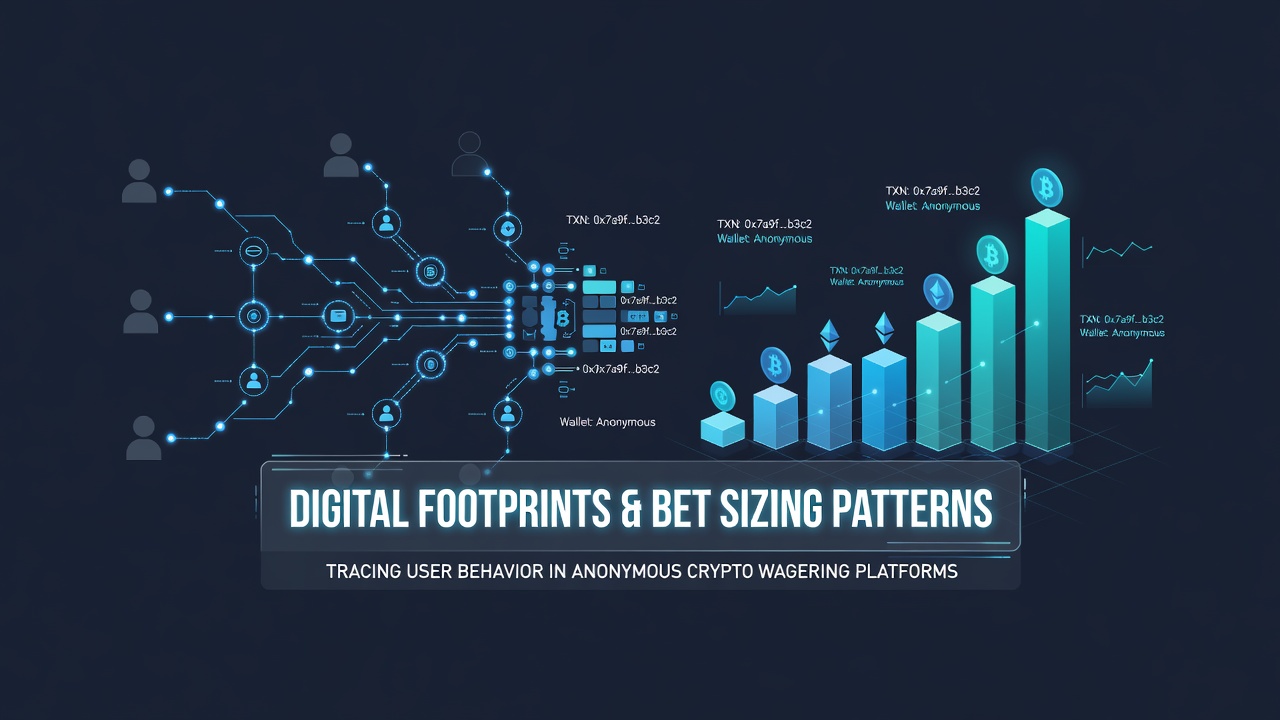
Anonymous crypto wagering platforms operate on blockchain networks where users place bets using cryptocurrencies such as Bitcoin or Ethereum and the systems record every transaction in a public ledger while hiding real-world identities behind wallet addresses. Researchers have examined how digital footprints emerge from transaction metadata including timestamps, amounts, and network interactions even when platforms promise anonymity through mixers or privacy coins.
Blockchain Records as Persistent Identifiers
Every bet on these platforms leaves a timestamped entry that chains together into sequences because the underlying ledger requires verification of each transfer and analysts cluster addresses based on common spending patterns or reuse of outputs. Data from transaction graphs shows that repeated bet amounts often link multiple wallets to a single behavioral profile while the absence of mixing services in many sessions allows direct tracing back to exchange deposits. Observers note that June 2026 brought increased scrutiny from international regulators as transaction volumes on select platforms exceeded previous quarterly records.
Bet Sizing Reveals Strategic Habits
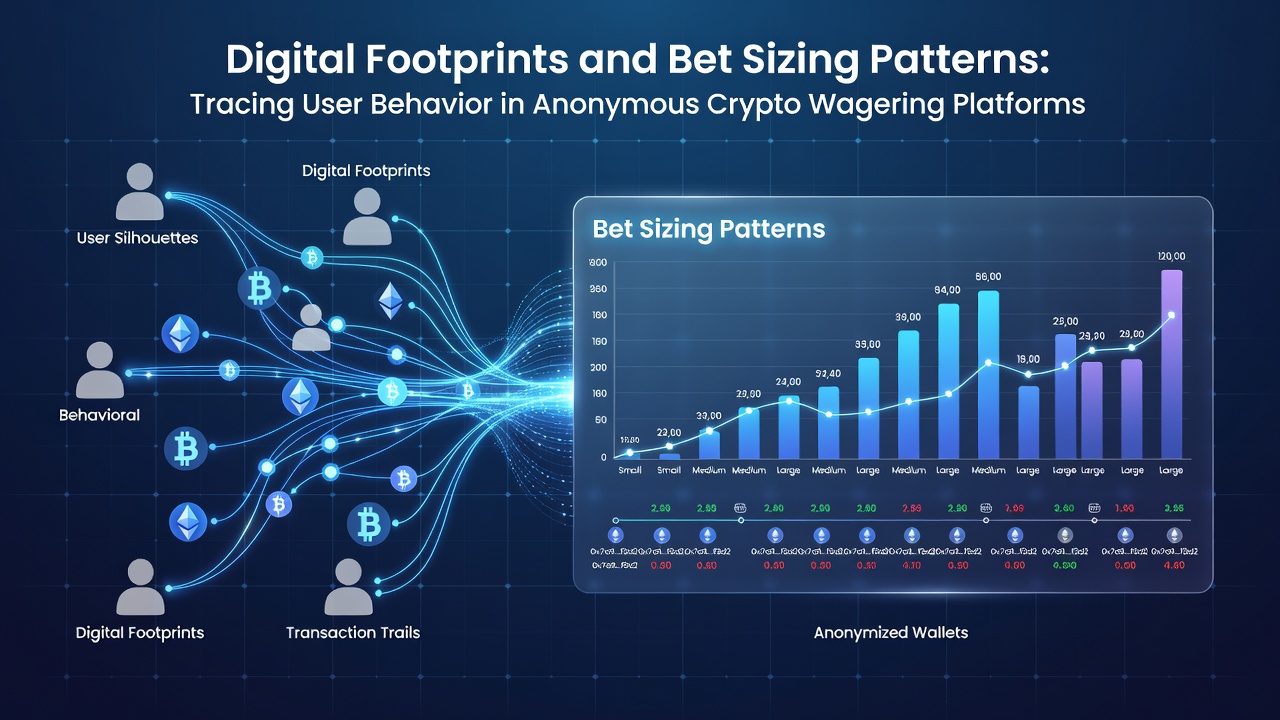
Bet sizing patterns function as behavioral signatures because players tend to adjust wager amounts according to bankroll management rules or game-specific progressions and these adjustments create detectable clusters when plotted against session duration. Studies of on-chain data indicate that consistent increments such as doubling after losses or fixed percentage stakes produce recognizable distributions that stand out from random activity. Those who analyze these sequences often connect sizing habits to specific game types including crash multipliers or dice rolls where the mathematical structure encourages predictable adjustments.
One case involved a cluster of addresses that maintained a narrow bet range across thousands of transactions while timing entries to coincide with peak network activity and this consistency allowed researchers to map the addresses to a coordinated group rather than independent users. External transaction flows from regulated exchanges further anchor these patterns because withdrawal addresses frequently match the same sizing profiles observed on the wagering side.
Metadata Layers That Compound Traceability
Beyond amounts and timestamps, metadata such as gas fees on Ethereum-based platforms or input-output structures on Bitcoin add further layers because users rarely randomize these values and teh resulting distributions provide additional signals for clustering algorithms. Platforms that integrate zero-knowledge proofs attempt to obscure amounts yet many implementations still expose total volumes or frequency counts that analysts combine with public chat logs or leaderboard data to narrow possibilities.
Regulatory and Research Developments
According to guidance issued by the Financial Crimes Enforcement Network transaction monitoring requirements have expanded to cover decentralized platforms and this has prompted operators to implement voluntary reporting mechanisms that capture aggregate sizing trends without revealing individual addresses. A separate analysis released through the National Institutes of Health examined how bet size variance correlates with session length across several thousand anonymized crypto gambling records and the findings highlighted measurable differences between recreational and high-frequency patterns.
Platforms that allow instant deposits and withdrawals create shorter feedback loops where users test sizing strategies in rapid succession and these loops generate dense transaction clusters that stand out during graph analysis. June 2026 saw several academic teams publish updated clustering methodologies that incorporate machine learning on bet amount sequences and the resulting models improved identification rates compared with earlier heuristic approaches.
Practical Implications for Platform Design
Operators have responded by introducing randomized bet multipliers or session-level obfuscation tools yet adoption remains uneven because these features can reduce the transparency that attracts certain user segments. Data collected from public ledgers continues to feed into broader studies on financial flows and the patterns observed in wagering environments often mirror those found in other decentralized finance activities where sizing consistency serves as a reliable marker.
Conclusion
Digital footprints in anonymous crypto wagering arise primarily from the immutable nature of blockchain records combined with the statistical regularities that emerge when users apply consistent bet sizing rules across multiple sessions. Transaction graphs and metadata analysis continue to provide avenues for tracing activity even when platforms emphasize privacy features and ongoing research refines the tools available for identifying behavioral signatures. As volumes grow the intersection of on-chain data and sizing patterns offers an expanding field for both compliance efforts and academic inquiry.