Loyalty Schemes Reshaping Extended Engagement in Online Card Platforms
Written by Katja Friedrich · Jul 11, 2026
Loyalty Schemes Reshaping Extended Engagement in Online Card Platforms
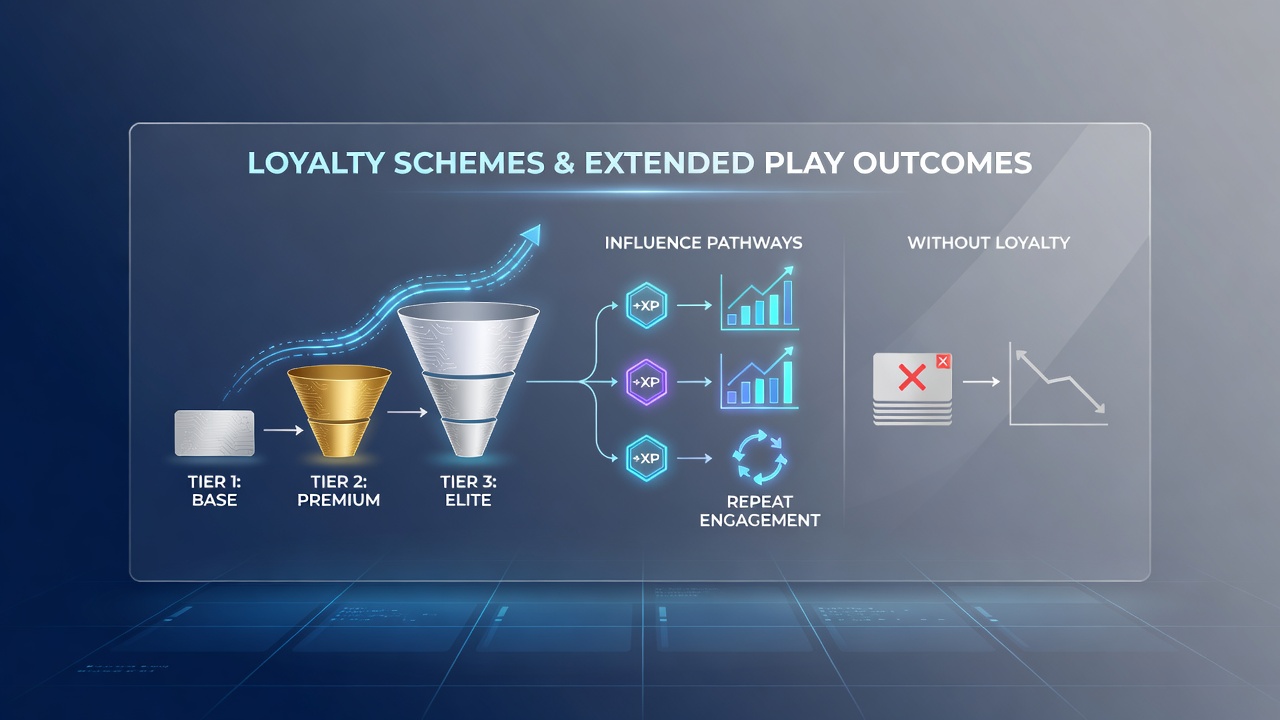
Loyalty schemes in digital card platforms operate through structured reward systems that track player activity and distribute incentives based on participation levels, and these programs have become central to how operators manage user retention across poker rooms, blackjack tables, and other virtual card environments. Points accumulate from bets placed, hands played, and time spent in sessions, then convert into cashback, tournament entries, or exclusive features that encourage continued interaction. Data from the American Gaming Association reveals that operators integrating tiered loyalty structures often see measurable increases in average session duration, particularly when rewards scale with volume rather than isolated wins. Players advance through bronze, silver, and gold levels where each tier unlocks faster point multipliers and personalized bonuses, creating a progression loop that aligns with extended play patterns observed in platform analytics.Mechanics Behind Reward Accumulation
Points systems in these platforms calculate rewards using algorithms that factor in wager size, game type, and frequency, while many programs apply multipliers during peak hours or specific card variants like Texas Hold'em and Omaha. This design allows users to accelerate their status by focusing on high-volume tables, and operators adjust earning rates seasonally to align with market trends.
According to research published by the University of Nevada, Reno's gaming studies department, platforms with visible progress bars and real-time point trackers maintain higher return rates compared to those without such visual cues. The study tracked thousands of accounts over multiple quarters and found that users who reached mid-tier status within the first month extended their average playtime by noticeable margins.
Impact on Session Lengths and Player Behavior
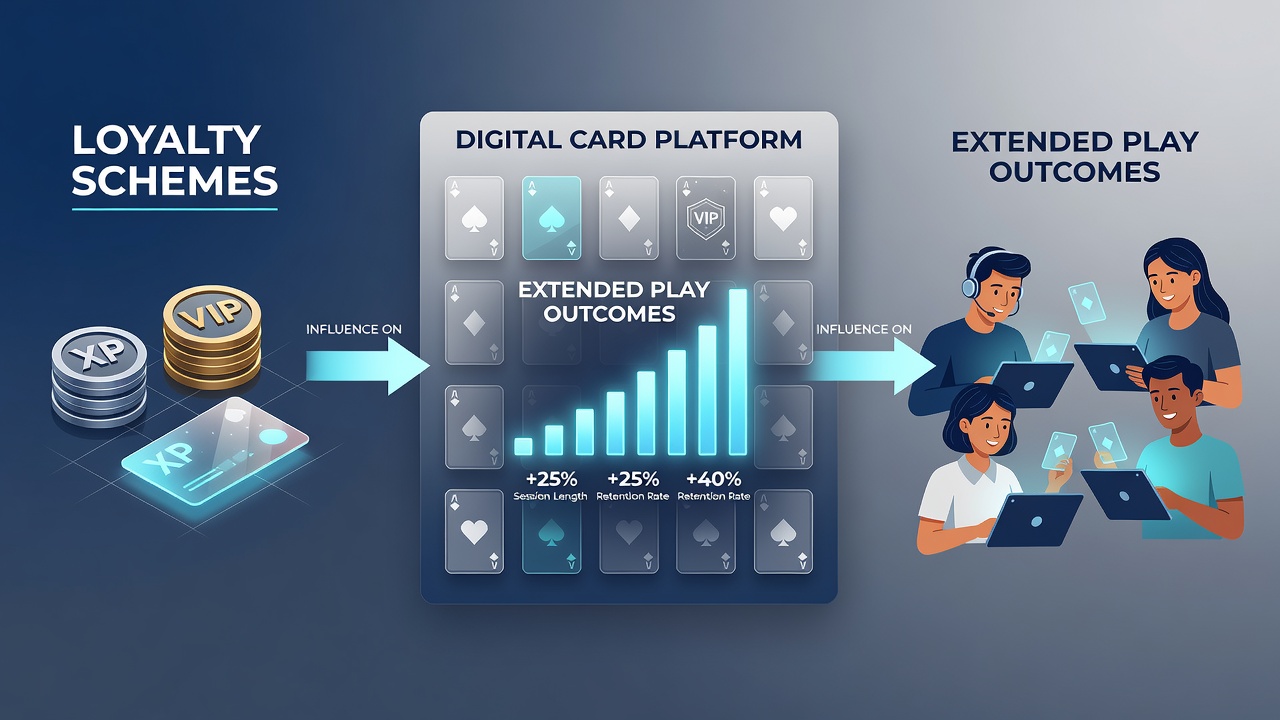
Extended play outcomes emerge when loyalty incentives reduce the perceived cost of continued participation, since cashback percentages and reload bonuses offset losses and keep bankrolls active longer. In digital card environments where variance runs high, these mechanisms provide psychological anchors that prompt players to chase recovery through additional hands rather than logging off after short sessions.
Industry reports from the Canadian Gaming Association indicate that loyalty-driven features correlate with 15 to 25 percent increases in daily active time across monitored card platforms, especially when rewards include entry into private tournaments available only to active members. These events often run on fixed schedules, which further structures player routines around platform availability.
Observers note that platforms releasing updated loyalty frameworks in July 2026 incorporated dynamic point expiration policies alongside accelerated earning windows, a shift designed to balance retention goals with responsible play parameters. These adjustments appeared in several North American and European markets simultaneously, reflecting broader regulatory alignment on player engagement tools.
Comparative Data Across Regions
European operators following guidelines from the Malta Gaming Authority have documented similar patterns where loyalty tiers tied to specific card game categories produce longer engagement curves than flat reward models. Australian research compiled by the University of Sydney's gambling behavior unit supports these findings, showing that players who engage with point-based progression systems tend to participate in more consecutive days per month.
Case examples include platforms that introduced milestone bonuses after 500 hands played in a calendar week, resulting in tracked increases in repeat logins and multi-table sessions. Such mechanics reward consistency rather than single large bets, steering behavior toward sustained activity across multiple card formats.
Future Directions in Platform Design
Platform developers continue refining loyalty algorithms to incorporate machine learning that predicts when users might reduce activity and intervenes with targeted offers, yet these systems remain under continuous evaluation for effectiveness and compliance. Cross-platform partnerships have also emerged, allowing points earned in card rooms to transfer toward other digital entertainment verticals, which broadens the scope of extended play beyond single-game environments.
Conclusion
Loyalty schemes in digital card platforms function as structured engagement tools that influence session duration through progressive rewards and tiered benefits, with supporting data from multiple international sources confirming their role in shaping player routines. As operators refine these systems through 2026 and beyond, the connection between reward mechanics and extended play outcomes continues to evolve based on empirical platform metrics and regional regulatory frameworks.