Uncovering Session Timing Insights Through Loyalty Reward Data in Multi-Platform Casino Networks
Written by Katja Friedrich · May 21, 2026
Uncovering Session Timing Insights Through Loyalty Reward Data in Multi-Platform Casino Networks
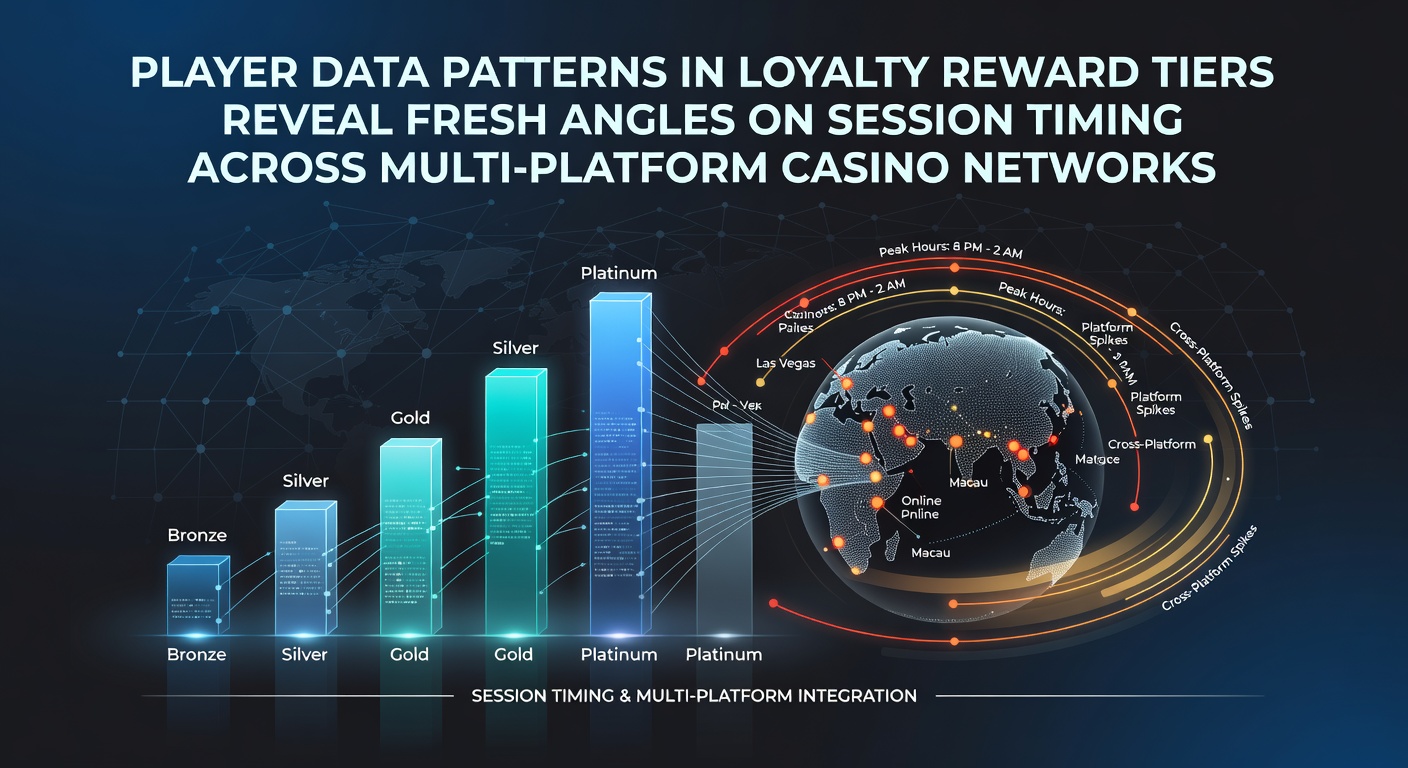
Player data patterns in loyalty reward tiers have started to highlight distinct trends in session timing across multi-platform casino networks, and researchers tracking these metrics note consistent behaviors tied to reward progression. Data from integrated systems shows that players advancing through bronze, silver, and gold tiers often cluster their activity during specific windows, such as early evening peaks on weekdays and extended weekend blocks. These observations come from aggregated logs that link tier status directly to login frequency and duration without relying on individual identifiers.
Loyalty Tiers as Behavioral Markers
Operators maintain loyalty structures that record cumulative play metrics including wager volume, time spent, and game variety, which in turn create reliable indicators for when users engage most actively. According to reports from the American Gaming Association, tier advancement correlates with shifts in session length as players chase bonus thresholds. Those in lower tiers tend toward shorter bursts of 20 to 40 minutes, while higher-tier accounts extend sessions beyond two hours on average, especially when chasing milestone rewards.
Multi-platform networks amplify these patterns because mobile, desktop, and tablet interfaces feed into the same central database. Analysts have found that mobile logins spike during commute hours between 7 and 9 a.m. and again in late afternoon, whereas desktop sessions dominate after 8 p.m. when users settle at home. The data integration allows operators to map these differences without platform-specific silos, revealing how reward tiers influence cross-device continuity.
Timing Patterns Across Networks
Session timing data collected through loyalty programs reveals recurring cycles that align with reward resets and promotional calendars. Networks operating in multiple jurisdictions report that tier qualification periods ending on the first of each month drive concentrated activity in the final 48 hours, with volume increasing by measurable percentages. In May 2026, several operators noted an uptick in cross-platform transitions during these windows as players moved from mobile quick sessions to longer desktop play to meet targets.
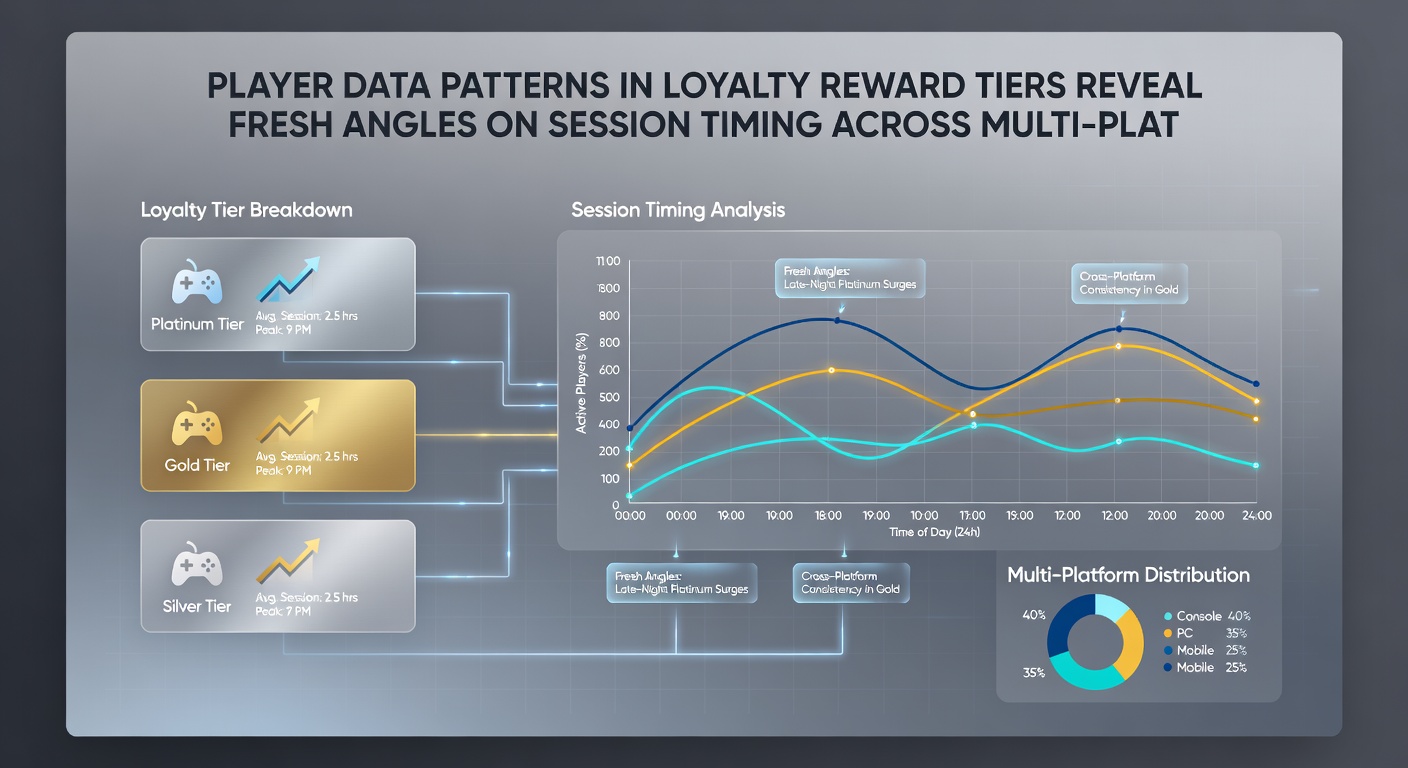
Studies conducted by the University of Nevada's gaming research center indicate that silver-tier players exhibit the most pronounced timing shifts when new monthly challenges launch. These users often begin sessions earlier in the day to accumulate points steadily rather than in single extended blocks. Gold and platinum accounts, by contrast, maintain steadier timing across days because their reward structures emphasize consistency over short bursts.
Cross-Platform Data Integration
Modern casino networks synchronize player profiles across devices through unified loyalty engines, which enables precise mapping of session timing relative to tier status. When a player switches from a mobile app to a desktop client mid-session, the system records the transition and associates it with ongoing reward accumulation. This linkage produces datasets that show mobile sessions serving as lead-ins to longer desktop engagement for mid-tier accounts.
Canadian regulatory filings from the Alcohol and Gaming Commission of Ontario have documented similar integration effects, noting that loyalty data streams help identify peak overlap periods between platforms. The records demonstrate that Thursday evenings frequently mark the start of extended multi-device sequences as players position themselves for weekend tier progressions. Such patterns remain consistent regardless of geographic location because the underlying algorithms prioritize cumulative metrics over local time zones.
Analytical Approaches and Metrics
Data scientists apply clustering algorithms to loyalty tier records in order to isolate timing variables from other behavioral signals. These methods separate weekday versus weekend distributions and highlight how reward thresholds affect session starts. For instance, when a network introduces tier-specific time bonuses, the data shows measurable compression of session gaps as players log in more frequently to capture limited windows.
External benchmarks from the Australian Institute for Gambling Research confirm that loyalty-driven timing patterns persist across network scales. Smaller operators observe the same tier-based clustering as larger groups once standardized data protocols are applied. The consistency suggests that reward mechanics themselves, rather than network size, drive the observed session rhythms.
Operational Implications for Networks
Network administrators use loyalty tier timing insights to adjust server loads and promotional delivery across platforms. By aligning maintenance windows with documented low-activity periods for each tier, operators reduce service interruptions during peak engagement. The same datasets support targeted notifications that prompt players at moments when historical data shows higher conversion to longer sessions.
Industry reports further indicate that cross-platform loyalty tracking supports fraud detection by flagging unusual timing deviations within specific tiers. When an account that normally follows evening mobile patterns suddenly appears during daytime desktop hours, automated systems can trigger verification protocols without disrupting routine play for other users.
Conclusion
Loyalty reward tier data continues to supply operators with granular views of session timing across multi-platform casino networks. Aggregated metrics from sources such as the American Gaming Association and academic centers demonstrate repeatable patterns tied to tier progression, device transitions, and monthly qualification cycles. As networks refine integration methods, these timing signals offer practical inputs for resource allocation and compliance monitoring while remaining grounded in observable play records.